




A Minimally Invasive Treatment Option for Selected Sinus Conditions
Persistent or recurring sinus symptoms such as nasal congestion, facial pressure, postnasal drainage, headaches, and difficulty breathing through the nose can have several possible causes. When symptoms continue despite appropriate medical management, some patients may be evaluated for additional treatment options.
At Richmond Breathe Free, we provide sinus evaluations for patients in Glen Allen and surrounding Henrico County communities. Balloon sinuplasty may be considered for appropriately selected patients based on symptoms, medical history, previous treatment, sinus anatomy, imaging when clinically appropriate, and other clinical findings.

Direct Answer
Is It Allergies or a Sinus Infection?
Allergies and sinus infections can share similar symptoms, making them difficult to distinguish based on symptoms alone.
Allergies are commonly associated with sneezing, itching, watery eyes, and clear nasal drainage. Sinus infections may involve nasal congestion, facial pressure or discomfort, changes in nasal drainage, or symptoms that persist or worsen after a viral illness.
Some patients experience allergies and sinus problems at the same time. An evaluation considers symptoms, medical history, and clinical findings to help determine which factors may be contributing.
What Can Contribute to Chronic Sinusitis?
Several factors may be associated with chronic or recurring sinus symptoms, including:
- Persistent nasal or sinus inflammation
- Seasonal or environmental allergies
- Nasal polyps
- A deviated septum or other structural concerns
- Recurrent respiratory infections
- Asthma or other associated conditions
- Environmental irritants such as smoke or pollution
Some patients may have more than one contributing factor. Treatment recommendations should therefore be based on individual clinical findings rather than symptoms alone.
Direct Answer
Can Allergies Contribute to Chronic Sinus Problems?
Yes. Allergies may contribute to inflammation and swelling inside the nasal passages and can occur alongside persistent congestion and other sinus symptoms.
However, allergies are only one possible contributing factor. Chronic inflammation, nasal polyps, structural concerns, and other conditions may also need to be considered.
An evaluation can help determine whether allergies or another condition may be contributing to ongoing symptoms.
Who May Be Considered for Balloon Sinuplasty?
Balloon sinuplasty may be considered for appropriately selected patients with certain chronic or recurring sinus conditions.
Factors considered during an evaluation may include:
- Duration and pattern of symptoms
- Medical history
- Previous treatments and response
- Examination findings
- Sinus anatomy
- Imaging findings, when imaging is clinically appropriate
- Other conditions that may contribute to symptoms
Persistent symptoms despite medication alone do not establish that a patient needs balloon sinuplasty. Patients with similar symptoms may receive different treatment recommendations based on their individual clinical findings.
Direct Answer
Is Balloon Sinuplasty Permanent?
Balloon sinuplasty should not be considered a permanent treatment or cure.
The duration and degree of symptom improvement vary among patients and may be influenced by the underlying sinus condition, sinus anatomy, inflammation, allergies, and other individual factors.
Some patients may continue to need allergy treatment, medications, or other sinus management after the procedure.
Direct Answer
When Is Balloon Sinuplasty Recommended?
Balloon sinuplasty may be considered for appropriately selected patients with certain chronic or recurring sinus conditions when clinical findings support the procedure.
Candidacy is not determined by symptoms or medication failure alone. A provider may consider medical history, symptoms, previous treatment, examination findings, sinus anatomy, imaging when appropriate, and other individual factors before determining whether balloon sinuplasty may be considered.
What to Expect During Balloon Sinuplasty
Before the Procedure
Before treatment, your provider reviews your symptoms, medical history, previous treatment, and clinical findings.
When clinically appropriate, nasal examination, nasal endoscopy, imaging, or other evaluation may be used to better understand the sinus anatomy and determine whether balloon sinuplasty should be considered.
Your provider will also discuss the procedure, potential risks and benefits, limitations, alternatives, and expected recovery.
During the Procedure
During balloon sinuplasty, a small, flexible balloon catheter is guided through the nasal passage into the targeted sinus opening.
The balloon is gently inflated to dilate the selected sinus drainage pathway and is then deflated and removed.
For appropriately selected patients, balloon sinuplasty may be performed in an office setting using local anesthesia or other comfort measures based on the individual treatment plan.
After the Procedure
Recovery experiences vary from patient to patient.
Some patients may be able to resume regular activities relatively soon after treatment, while others may require additional recovery time.
Temporary congestion, drainage, sinus pressure, or discomfort may occur after the procedure. Your provider will provide individualized instructions regarding activity, nasal care, medications, and follow-up.

Before


After
Direct Answer
How Long Is Recovery After Balloon Sinuplasty?
There is no single recovery timeline that applies to every patient.
Recovery depends on the individual patient, the treatment performed, and other clinical factors. Some patients may resume regular activities relatively soon, while others may need additional recovery time. Your provider can advise you when it is appropriate to resume work, exercise, and other activities.
Direct Answer
Am I a Candidate for Balloon Sinuplasty?
Candidacy cannot be determined from symptoms alone.
Balloon sinuplasty may be considered for appropriately selected patients based on factors such as symptoms, medical history, previous treatment, examination findings, sinus anatomy, imaging when clinically appropriate, and other individual health considerations.
An ENT evaluation can help determine whether balloon sinuplasty or another treatment approach may be appropriate.
Direct Answer
Is Balloon Sinuplasty the Same as Traditional Sinus Surgery?
No. Balloon sinuplasty uses a balloon catheter to dilate selected sinus drainage pathways and does not involve removing sinus tissue.
Other forms of endoscopic sinus surgery may involve removing or modifying tissue or addressing structural concerns, depending on the condition being treated.
The appropriate procedure depends on the patient's diagnosis, anatomy, symptoms, previous treatment, and other clinical findings.
When Should You See a Sinus Specialist?
Persistent or recurring sinus and nasal symptoms may warrant further evaluation, particularly when they continue despite appropriate initial treatment.
Consider an evaluation if you experience recurring sinus infections, persistent nasal congestion, facial pressure or discomfort, ongoing drainage, reduced sense of smell, or difficulty breathing through the nose.
Balloon Sinuplasty FAQs
Is Balloon Sinuplasty Painful?
Patients may experience pressure or discomfort during or after the procedure, and individual experiences vary.
Local anesthesia or other comfort measures may be used depending on the treatment plan. Your provider can explain what to expect before the procedure.
Can Balloon Sinuplasty Help With Chronic Sinusitis?
Balloon sinuplasty may be considered for appropriately selected patients with certain forms of chronic or recurring sinus disease.
Whether the procedure is appropriate depends on the condition contributing to the symptoms, sinus anatomy, previous treatment, and other clinical findings.
What Symptoms May Improve After Balloon Sinuplasty?
For appropriately selected patients, balloon sinuplasty is intended to improve drainage through targeted sinus pathways.
Changes in congestion, pressure, drainage, or other symptoms vary among patients, and improvement in any particular symptom cannot be guaranteed.
Will I Still Need Allergy Treatment After Balloon Sinuplasty?
Possibly. Balloon sinuplasty does not treat allergies.
If clinically relevant allergies contribute to ongoing nasal or sinus symptoms, allergy management may remain part of the patient's treatment plan.
Does Balloon Sinuplasty Require General Anesthesia?
The anesthesia or comfort measures used depend on the patient and planned procedure.
For appropriately selected patients, balloon sinuplasty may be performed in an office setting using local anesthesia. Your provider can explain the anesthesia and comfort measures planned for your individual treatment.
Does Insurance Cover Balloon Sinuplasty?
Coverage varies depending on the insurance plan, diagnosis, applicable medical-necessity requirements, previous treatment, and other factors.
Patients should contact their insurance provider or Richmond Breathe Free for information about coverage and potential out-of-pocket costs.
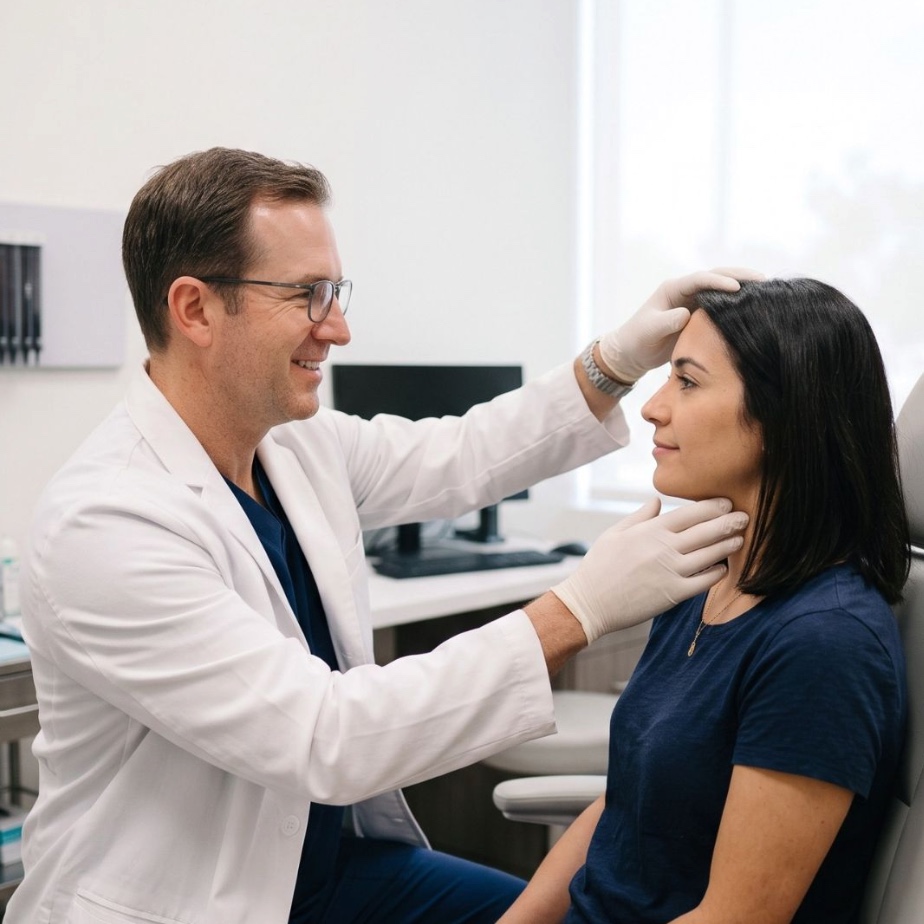
Why Choose Richmond Breathe Free?
Richmond Breathe Free evaluates patients with persistent or recurring sinus symptoms and offers medical and procedural treatment options based on individual clinical findings.
Depending on the patient's needs, care may include:
- Evaluation of persistent and recurring sinus symptoms
- Nasal endoscopy or imaging when clinically appropriate
- Assessment of potential inflammatory, allergy-related, and structural contributing factors
- Balloon sinuplasty for appropriately selected patients
- Individualized treatment recommendations based on symptoms, anatomy, medical history, and other clinical findings
The goal of the evaluation is to better understand what may be contributing to a patient's symptoms and determine which treatment options may be appropriate.
Learn More About Balloon Sinuplasty in Glen Allen, VA
Balloon sinuplasty is one possible treatment for selected sinus conditions. If chronic or recurring symptoms persist despite appropriate medical management, an evaluation can help determine whether balloon sinuplasty or another treatment approach may be appropriate.
Richmond Breathe Free provides sinus evaluations for patients in Glen Allen and surrounding Henrico County communities.