




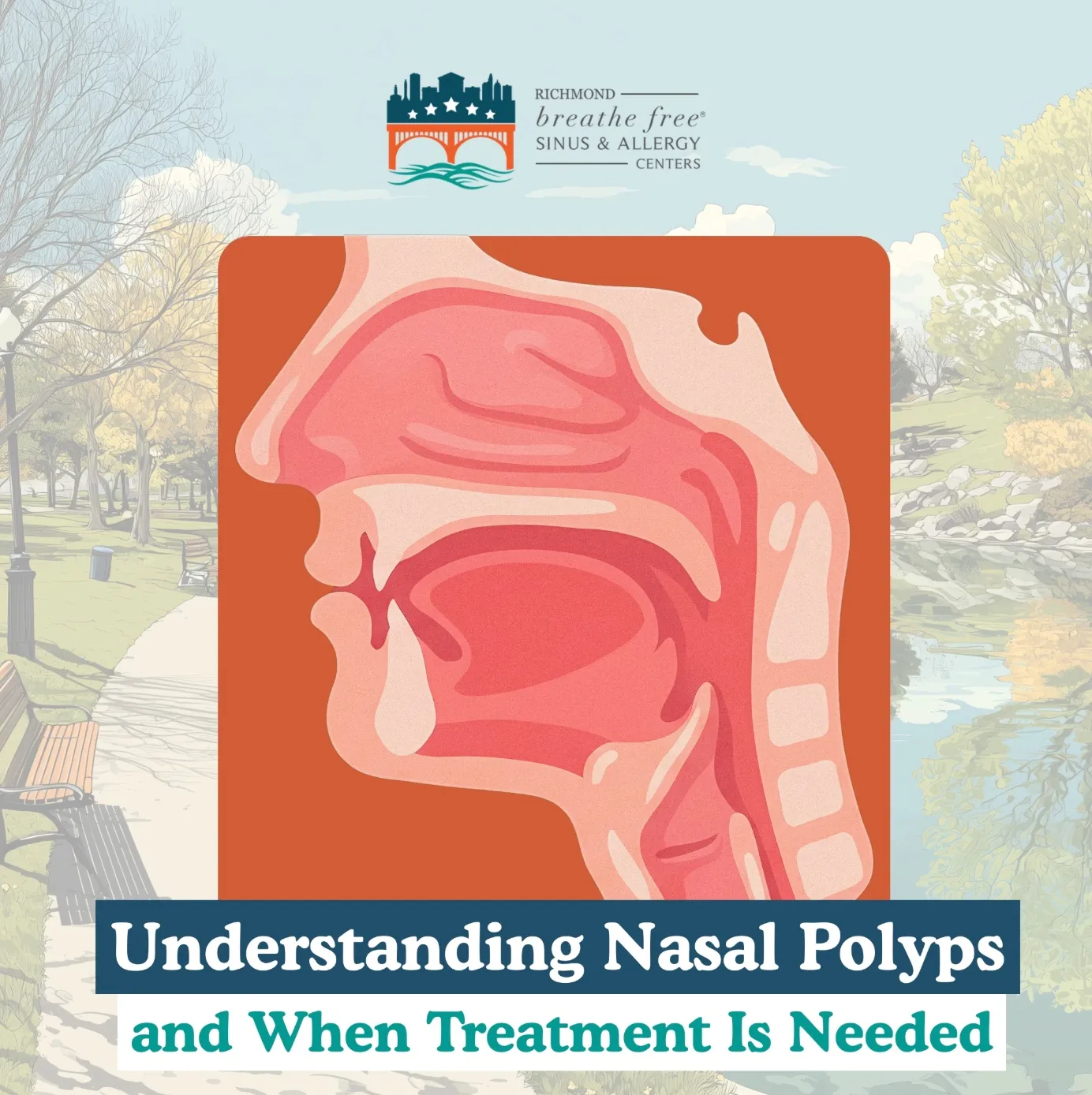
Understanding Nasal Polyps and When Treatment Is Needed
Nasal polyps are soft, noncancerous growths that form inside the nose or sinuses. They usually develop as part of long-term inflammation rather than as a separate problem on their own. For some people, they are small enough that they do not cause much trouble. For others, they can block airflow, worsen sinus symptoms, and make it harder to smell or breathe normally.
That is what can make them easy to miss at first. A person may assume they just have allergies, repeated sinus infections, or constant congestion, when nasal polyps are also part of the picture. Because the symptoms can overlap with other nasal and sinus conditions, an ENT evaluation may help further assess the cause of symptoms when needed.
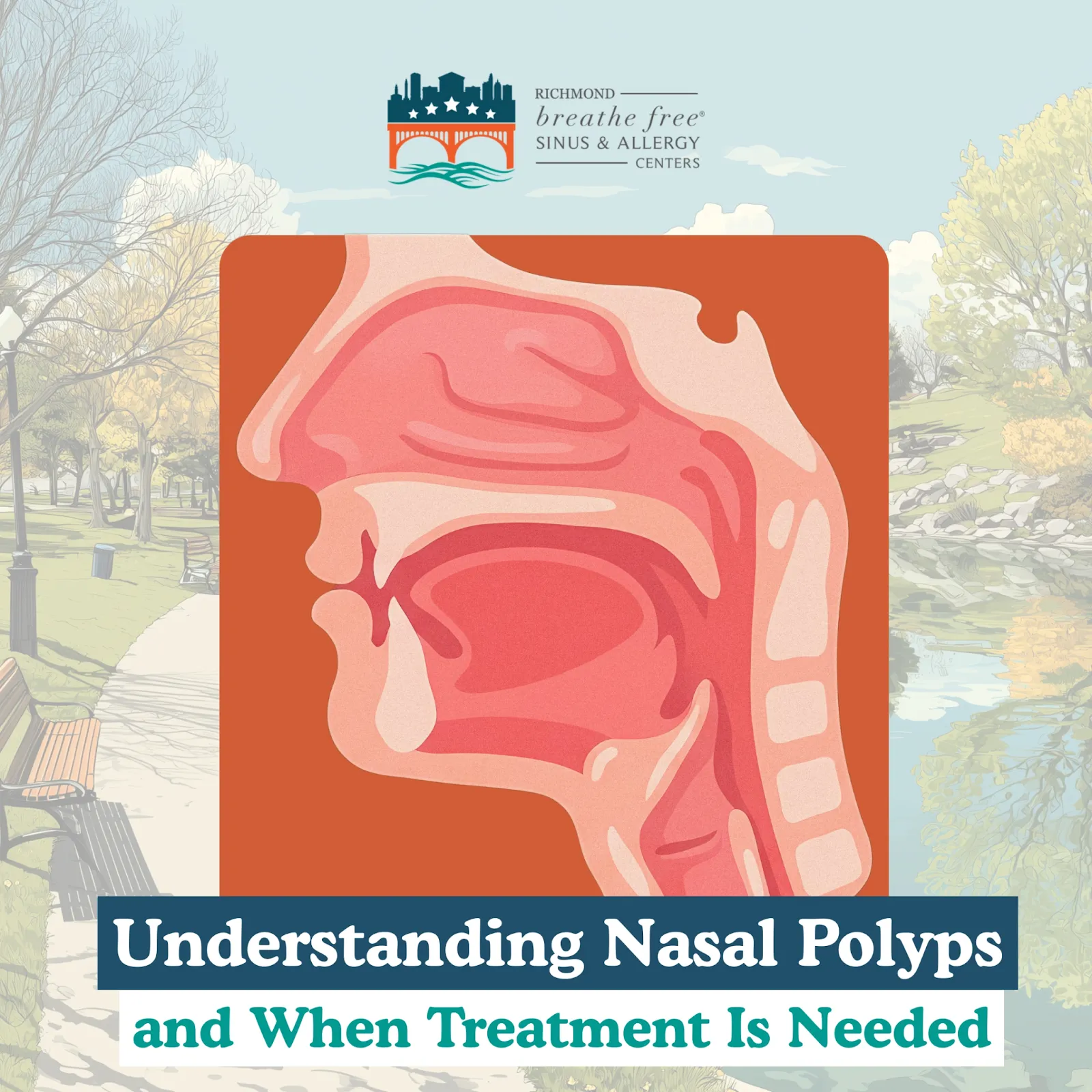
What Nasal Polyps Can Feel Like
Nasal polyps do not always cause pain. In many cases, the more common issue is blockage. People often notice that their nose feels stuffed up all the time, that breathing through the nose is harder than it should be, or that their sense of smell is fading. Postnasal drip, runny nose, pressure, snoring, and repeated sinus infections can also happen.
Loss of smell can be one of the more frustrating symptoms. When smell drops off, taste often feels weaker too, which may affect appetite and enjoyment of food for some individuals. Smell changes are important enough that a thorough workup may include a nasal exam and, in some cases, imaging or smell testing to better understand the cause.
Why Nasal Polyps Happen
Nasal polyps are usually linked to ongoing inflammation in the lining of the nose and sinuses. They are often seen in people with chronic sinus problems, allergies, asthma, or certain other inflammatory conditions. They are not the same thing as a tumor, and they are typically benign, but they can still cause day-to-day symptoms when they interfere with airflow and drainage.
This is one reason repeated sinus issues should not always be treated as isolated events. If congestion, drainage, and pressure keep returning, there may be an underlying inflammatory problem that needs a closer look. In patients with chronic sinus symptoms, nasal polyps may contribute to ongoing or recurrent symptoms in some patients.
When Nasal Polyps May Need Treatment
Not every nasal polyp needs aggressive treatment right away. But treatment becomes more important when the polyps start causing symptoms that affect breathing, smell, sleep, or comfort. Ongoing nasal blockage, frequent sinus infections, facial pressure, and long-lasting smell loss are all signs that it may be time to discuss treatment options.
It is also worth being more proactive when symptoms last longer than expected. Nasal polyps can look a lot like chronic sinusitis, and chronic sinus disease is generally considered when symptoms such as congestion, drainage, facial pressure, or decreased sense of smell continue for 12 weeks or longer.
Treatment Often Starts with Medication
Treatment usually starts with medical therapy rather than surgery. Nasal steroid sprays are commonly used to help shrink polyps and reduce swelling. In some cases, oral steroids may also be used for a limited period to bring inflammation down more quickly. If allergies are part of the problem, allergy treatment may also be part of the plan.
This matters because the goal is not just to reduce symptoms for a few days. It is to address the inflammation that may be helping the polyps grow in the first place. Some patients may experience symptom improvement with medical therapy, while others may still require additional treatment depending on their condition.
When Surgery May Be Considered
Surgery may be considered when medications do not provide enough relief or when the polyps are large enough to keep causing blockage and recurring sinus problems. Endoscopic sinus surgery is commonly used in these cases. The goal is to remove the polyps and attempt to improve sinus drainage, depending on individual factors.
Even then, surgery is usually part of a bigger treatment plan, not the entire plan by itself. Because nasal polyps are tied to inflammation, follow-up treatment often still matters after surgery. That may include nasal sprays, rinses, allergy management, or other medical care to help manage inflammation and monitor for potential recurrence.
Signs It May Be Time to See an ENT
It may be time to see an ENT if you have:
- long-lasting nasal congestion
- trouble breathing through your nose
- reduced or lost sense of smell
- repeated sinus infections
- symptoms lasting more than 10 days without improving
- symptoms that keep coming back
- facial pressure or persistent drainage
These symptoms do not automatically mean you have nasal polyps, but they do suggest that a closer exam may be useful. In more urgent situations, such as swelling around the eyes, double vision, worsening severe headache, or other rapidly worsening symptoms may warrant prompt medical evaluation.
Talk With Richmond Breathe Free About Your Symptoms
If you have been dealing with ongoing congestion, smell loss, sinus pressure, or symptoms that never seem to fully clear, it may be time for a closer look. Richmond Breathe Free Sinus & Allergy Centers can evaluate whether nasal polyps or another sinus condition may be contributing to your symptoms and discuss what treatment options may make sense for you. Schedule an appointment today to discuss your symptoms and evaluation options with us today!